
Key Summary
- Tax preparer fraud occurs when a dishonest tax professional files a fraudulent return, steals personal information or misuses a taxpayer’s refund.
- Warning signs include preparers who promise unusually large refunds, ask you to sign blank forms or refuse to provide copies of your tax return.
- Choosing a reputable tax professional and reviewing your return carefully before filing can reduce your risk.
- If you suspect tax fraud or identity theft, report the issue quickly and monitor your financial and tax records.
- The Identity Theft Resource Center provides free guidance and support to help victims recover from identity theft and tax-related fraud.
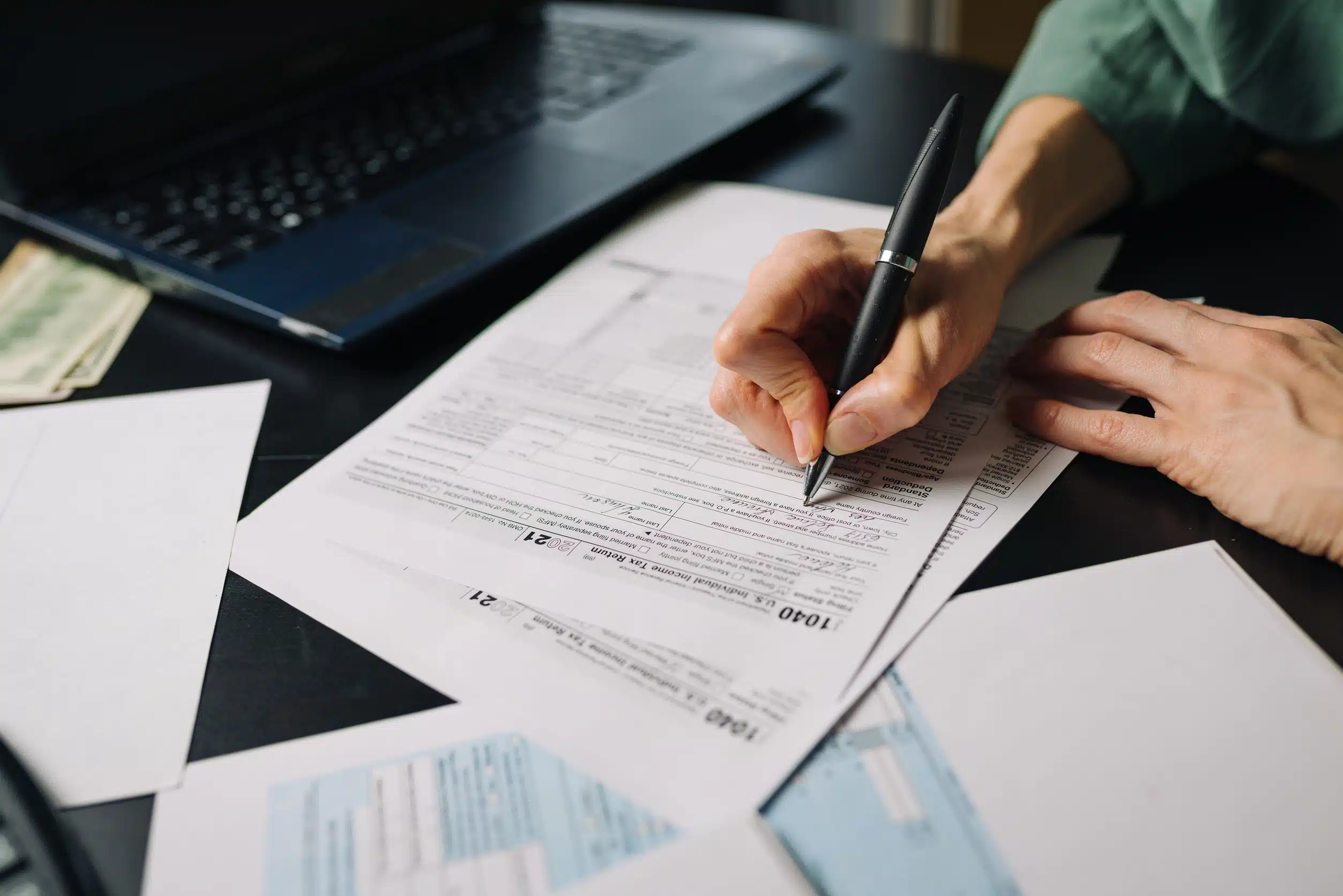
Tax preparer fraud occurs when a tax professional intentionally files inaccurate information, steals personal information or manipulates a tax return for personal gain. This type of fraud can lead to financial losses, identity theft and legal complications for the victim.
Tax preparer fraud is particularly concerning because preparing taxes requires access to sensitive personal information, including Social Security numbers, income details and financial account data. If that information falls into the wrong hands, it can be used for identity theft or other fraudulent activity.
Understanding how tax preparer fraud works and recognizing the warning signs can help taxpayers protect themselves.
What are the Common Types of Tax Preparer Fraud?
Tax preparer fraud can take several forms. Some schemes involve manipulating tax returns to increase refunds, while others involve stealing personal information.
Some of the most common forms include:
Inflated Refund Schemes
In this type of fraud, a tax preparer intentionally falsifies information on a return to produce a larger refund. They may exaggerate deductions, invent credits or claim dependents who do not qualify.
The preparer may take a percentage of the refund as payment or direct the refund to their own account. In many cases, the taxpayer may not realize the return was inaccurate until the IRS identifies the issue later.
Refund Theft
A dishonest preparer may redirect a taxpayer’s refund into their own account without the taxpayer’s knowledge. This may occur by altering bank information on the return or filing a return without the taxpayer reviewing it.
Identity Theft
Because tax preparers have access to sensitive personal information, they may misuse that information for identity theft. Personal data such as Social Security numbers and financial information may be used to open accounts, file fraudulent tax returns or commit other crimes.
Filing Returns Without Your Permission
In some cases, fraudulent preparers file tax returns without the taxpayer’s approval or before the taxpayer has reviewed the information. These returns may contain false information designed to generate larger refunds.
Regardless of the method used, tax preparer fraud can leave the taxpayer responsible for correcting the problem with the IRS.
Warning Signs Of Tax Preparer Fraud
While many tax professionals operate ethically, there are warning signs that may indicate a preparer is not trustworthy.
Be cautious if a tax preparer:
- Promises unusually large refunds before reviewing your financial records.
- Bases their fee on a percentage of your refund instead of charging a flat or hourly rate.
- Requests that you sign a blank or incomplete tax return.
- Refuses to provide a copy of your completed tax return.
- Directs your refund to their own bank account.
- Encourages you to claim deductions or credits that you do not qualify for.
- Does not include a Preparer Tax Identification Number (PTIN) on the return.
According to the IRS, paid tax preparers must sign the return and include their PTIN. If a preparer refuses to do this, it may indicate an attempt to avoid accountability.
If something about the process feels suspicious or rushed, it is worth pausing and verifying the preparer’s credentials.
How To Protect Yourself From Tax Preparer Fraud
Taking a few precautionary steps when choosing and working with a tax preparer can significantly reduce your risk.
Choose A Qualified Tax Professional
Research any tax professional before sharing personal information. Look for professionals who are properly credentialed, such as:
- Certified Public Accountants (CPAs)
- Enrolled Agents (EAs)
- Licensed attorneys specializing in tax law
These professionals typically meet higher standards of training and accountability.
You can also check whether a preparer has a valid PTIN and search for disciplinary actions or complaints.
Review Your Tax Return Carefully
Before signing your tax return, review it thoroughly.
Check that:
- Your name, address and Social Security number are correct
- Income amounts match your records
- Deductions and credits are accurate and legitimate
- The refund amount aligns with what you expect
If something does not make sense, ask the preparer to explain it before signing.
Remember that you are legally responsible for the information on your tax return, even if someone else prepares it.
Never Sign A Blank Return
A trustworthy preparer will complete the return and review it with you before requesting your signature.
Signing a blank or incomplete tax return allows someone to add information without your approval. This can expose you to fraud or legal consequences.
Ensure You Receive A Copy Of Your Return
You should always receive a complete copy of your filed tax return for your records.
Keeping this documentation allows you to verify what was submitted to the IRS and can be helpful if issues arise later.
Protect Your Personal Information
Only provide sensitive information to reputable professionals.
Avoid sharing tax documents or identity information through unsecured email or unfamiliar online portals. If you are working with a tax preparer remotely, confirm that they use secure systems to protect your data.
What To Do If You Suspect Tax Preparer Fraud
If you believe a tax preparer has committed fraud or misused your personal information, it is important to act quickly.
Consider taking the following steps:
- Review your tax records and determine whether the return that was filed matches the information you provided.
- Contact the IRS to report suspected tax preparer misconduct. The IRS provides processes for reporting abusive tax preparers and tax scams.
- Monitor your financial accounts and credit reports for signs of identity theft or unusual activity.
- File an identity theft report if your personal information appears to have been compromised.
- Keep records of communications with the preparer and copies of your tax documents.
Taking these actions can help limit the damage and create documentation if further investigation is needed.
Speak with the ITRC
Tax preparer fraud can create serious financial and legal problems for taxpayers. Dishonest preparers may manipulate returns, steal refunds or misuse personal information, leading to identity theft. Understanding the warning signs, choosing reputable tax professionals and reviewing your return carefully can help reduce your risk.
If something seems suspicious or you believe your identity has been compromised, taking action quickly can make a significant difference. The Identity Theft Resource Center offers free support and resources to help individuals protect themselves and recover from identity theft.