
Key Summary:
- A stolen birth certificate can be used by identity thieves to help obtain other identity documents or commit fraud.
- If your birth certificate is stolen, file a police report to document the theft and create an official record.
- Contact the vital records office in the state where you were born so they can potentially flag your record.
- Freeze your credit to prevent criminals from opening new financial accounts in your name.
- Monitor for attempts to obtain other identification documents, such as a passport, state ID or driver’s license.
- If you suspect identity theft, the Identity Theft Resource Center offers free support to help you protect your identity and recover.
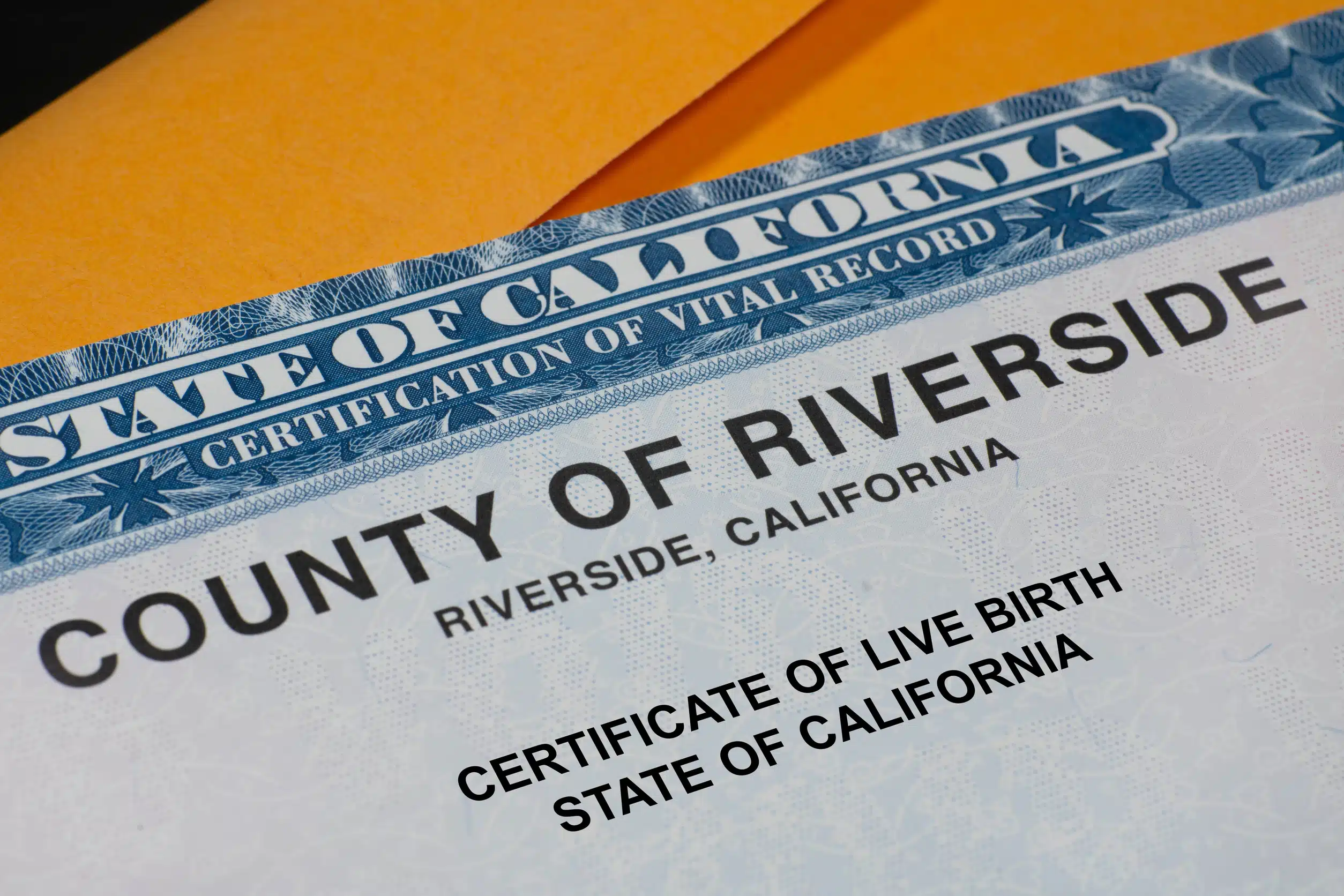
A birth certificate is one of the most important identity documents a person has. It serves as the foundation for proving identity and citizenship, and it is often required to obtain other documents such as a Social Security number, passport or driver’s license.
Because of its role in establishing identity, a stolen birth certificate can create serious risks. Identity thieves may attempt to use it to open accounts, obtain government-issued identification or build a false identity. In some cases, criminals combine a birth certificate with other stolen information to commit large-scale identity fraud.
If your birth certificate has been stolen or you suspect it may be missing, it is important to act quickly. This guide explains what identity thieves can do with a stolen birth certificate, the warning signs to watch for and the steps you should take to protect yourself.
Is A Stolen Birth Certificate Dangerous?
Unlike many other documents, a birth certificate typically does not contain a photo. That means it can sometimes be used alongside other personal information to obtain additional forms of identification.
Identity thieves may try to use a stolen birth certificate to:
- Apply for government identification, such as a passport or state ID
- Attempt to obtain or misuse a Social Security number
- Create fake identities using a real name and birth record
- Open financial accounts or apply for loans
- Commit immigration or employment fraud
While a birth certificate alone may not be enough to complete all of these actions, it can be a critical starting point for identity theft.
This is why it is important to treat a missing or stolen birth certificate as a potential identity theft risk and take preventative steps right away.
Signs Your Birth Certificate May Be Misused
In many cases, someone may not realize their birth certificate has been stolen until suspicious activity begins to appear.
Warning signs may include:
- Receiving notices about accounts or loans you did not open
- Being contacted about government benefits or tax filings you did not submit
- Receiving alerts about attempts to verify your identity
- Being notified that another person has applied for identification using your information
- Discovering your credit report contains unfamiliar activity
If you notice any of these signs, it is important to investigate immediately and take steps to secure your identity.
What To Do If Your Birth Certificate Is Stolen
If you believe your birth certificate has been stolen, acting quickly can help reduce the likelihood that criminals will successfully misuse it.
Below are several steps experts recommend taking as soon as possible.
1. File A Police Report
One of the first steps you should take is filing a police report documenting the theft.
A police report serves several important purposes, as it:
- Creates an official record of the incident
- Can be used as evidence if identity theft occurs later
- May help support disputes with lenders, credit bureaus or government agencies
- Demonstrates that you reported the theft promptly
When filing the report, provide as much detail as possible about when and how the birth certificate was stolen or discovered missing. Be sure to request a copy of the report for your records.
Keeping this documentation may prove helpful if fraudulent activity arises in the future.
2. Notify The Vital Records Office In Your Birth State
Birth certificates are issued and maintained by vital records offices in the state where a person was born.
If your birth certificate is stolen, contact the vital records office in that state and notify them of the situation. While policies vary by state, some offices may be able to place a note or flag on your record indicating that the document may have been compromised.
This notification can help authorities identify suspicious requests related to your birth record.
The vital records office may also provide guidance on:
- Requesting a replacement birth certificate
- Updating records if necessary
- Additional precautions recommended in your state
Taking this step ensures the agency responsible for maintaining your birth record is aware of the issue.
3. Freeze Your Credit
A credit freeze is one of the most effective ways to prevent criminals from opening new financial accounts in your name.
If someone attempts to use your stolen birth certificate alongside other personal information, they may try to apply for loans, credit cards or other financial products.
Freezing your credit prevents lenders from accessing your credit report, which typically stops new accounts from being approved.
You can place a free credit freeze with each of the three major credit bureaus:
Once a freeze is in place, new credit cannot be opened unless you temporarily lift or remove the freeze.
This simple step can significantly reduce the risk of financial identity theft.
4. Watch For Attempts To Obtain Other Identity Documents
Another risk associated with a stolen birth certificate is that someone may try to use it to obtain additional identity documents.
Identity thieves sometimes use a birth certificate as part of the application process for:
- A passport
- A state ID or driver’s license
- Replacement Social Security cards
- Government benefits or services
If a criminal successfully obtains additional identification, they may be able to expand the scope of identity fraud.
To protect yourself, remain alert for:
- Notifications from government agencies about identity verification
- Mail related to identification documents you did not request
- Unusual government correspondence
If you receive suspicious communications from government agencies, follow up immediately to clarify whether someone attempted to use your information.
5. Monitor Your Credit & Personal Records
After a birth certificate is stolen, ongoing monitoring is important.
Check your credit reports regularly to look for unfamiliar accounts, inquiries or activity. Federal law allows consumers to access their credit reports from each major bureau for free.
In addition to reviewing credit reports, pay attention to:
- Bank statements
- Tax notices
- Insurance records
- Government communications
Early detection is one of the most effective ways to limit the impact of identity theft.
If you notice suspicious activity, take action immediately.
Preventing Future Identity Document Theft
While no one can eliminate identity theft risks entirely, there are steps you can take to better protect sensitive documents.
Consider these best practices:
- Store important documents securely in a safe or locked location.
- Avoid carrying documents like birth certificates in your wallet or everyday bag unless absolutely necessary.
- Shred documents containing personal information before discarding them.
- Be cautious about sharing copies of identity documents online or through email.
- Monitor financial and government records regularly for suspicious activity.
Taking steps can reduce the chances of identity thieves gaining access to critical identity information.
Seek Guidance from the ITRC
A stolen birth certificate can create serious identity theft risks, but taking quick action can help protect your identity and reduce potential damage.
By filing a police report, notifying your state’s vital records office, freezing your credit and monitoring for attempts to obtain additional identification documents, you can strengthen your defenses against fraud.
If you believe your birth certificate has been stolen or you are concerned about identity theft, you do not have to navigate the situation alone. The Identity Theft Resource Center offers free guidance and support to help you understand your options and take the right steps to protect yourself.