
Scammers are constantly evolving their tactics to trick individuals into giving away money or personal information. The intent of any scam is straightforward: the scammer wants to make money. This can happen in several ways, whether by convincing victims to send funds directly, gaining access to financial accounts or stealing personal information to sell or exploit.
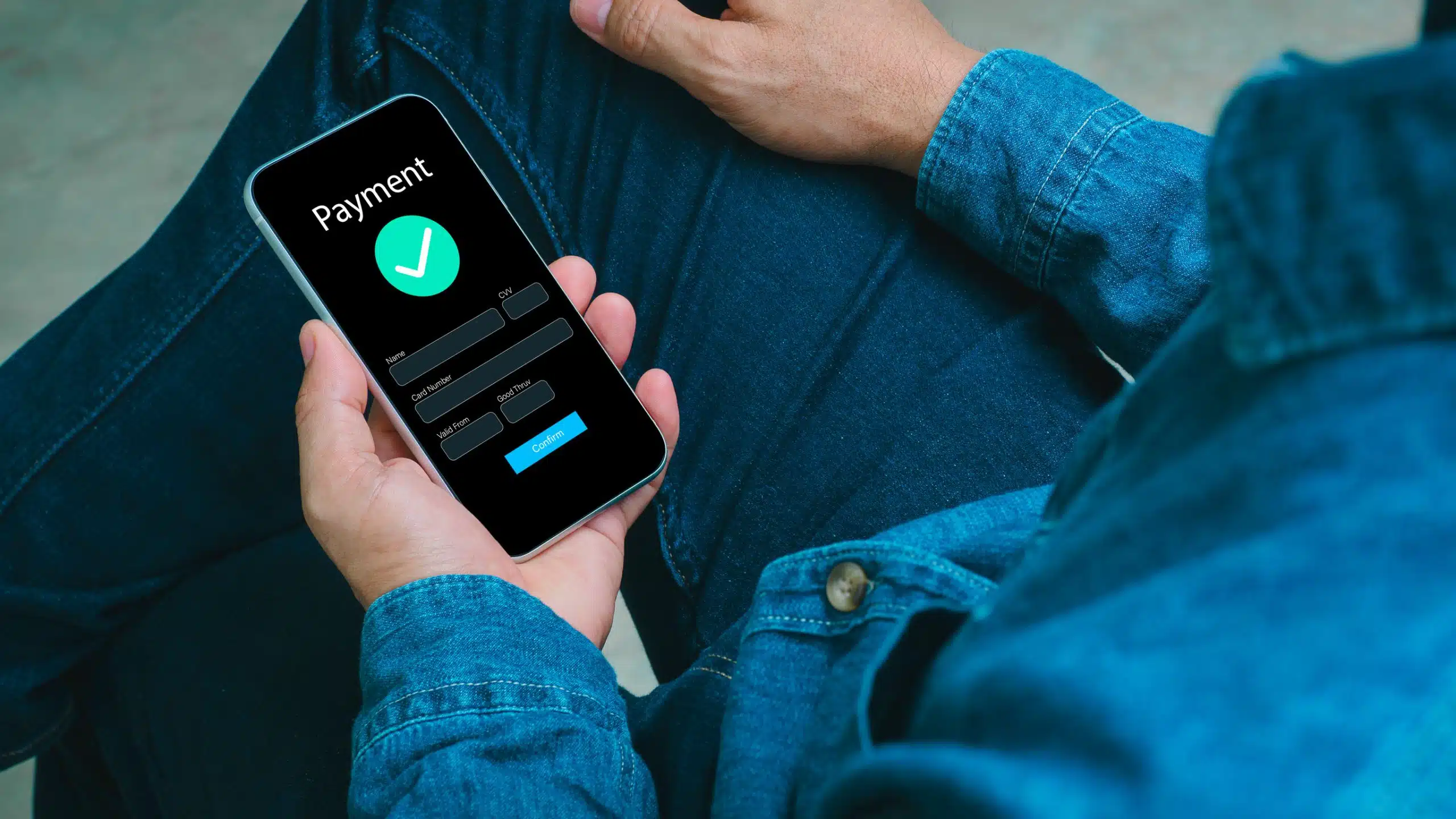
In recent years, scammers have increasingly turned to digital payment apps, such as Venmo, Zelle, PayPal, and Cash App, to achieve their goals. These platforms allow money to move quickly and instantly, often before the victim even realizes something is wrong. Unfortunately, the speed and convenience that make these apps popular also make them attractive to fraudsters.
Can I Get My Money Back If I Sent It to a Scammer?
Once money has been sent to a scammer, the sad reality is that it is often gone for good. Scammers are adept at moving money quickly, either cashing out or transferring it to accounts that make recovery difficult, if not impossible.
The likelihood of retrieving your money depends on how it was sent and how quickly you act:
Cash or gift cards
Money sent via cash or gift cards is virtually impossible to recover. Once the scammer has the card number or physical cash, it cannot be traced or reversed.
Wire transfers
If caught quickly, wire transfers through a financial institution can potentially be stopped, but timing is critical. Delays can make the funds unrecoverable.
Payment apps
Money sent via Venmo, Zelle, PayPal or Cash App is generally harder to retrieve. Even if the app allows you to report fraud, recovery is not guaranteed.
The faster you realize you’ve been scammed, the better your chances of recovering funds. However, many scams are designed to manipulate victims into sending money under false pretenses, making reversal more complicated.
Do Payment Apps Protect You From Scams?
Payment apps are implementing more security features and educational tools to help users avoid scams. Pop-up warnings, for example, alert users to the potential risks of sending money to someone they do not know. Despite these measures, protection is limited.
Here’s what you should know about recovering money on payment apps:
Pending Payments
You may be able to cancel a payment if the recipient has not yet signed up for an account with the app and the payment is still pending. This is often the only scenario where funds can be stopped before reaching a scammer.
Fraud Reports
Most payment apps allow you to report fraudulent transactions. While reporting is important for documentation and possible account freezes, the likelihood of recovering money after the scammer has received it is low.
Financial Institution Involvement
Many apps direct victims to the financial institution tied to their account. Most banks and credit unions only provide refunds if they determine a transaction was unauthorized, meaning you did not give permission for the funds to be taken. In cases where you sent money voluntarily under false pretenses, the transaction is typically considered authorized, making a refund unlikely.
Understanding these limitations is critical. Sending money via a payment app is fast, convenient and easy, but once the money leaves your account, there is often no way to get it back.
What If You Shared Personal Information?
Scammers often seek more than just money. If you shared personal information, such as account numbers, Social Security numbers or login credentials, there are steps you can take to protect yourself and prevent further damage.
Act quickly
The sooner you respond after realizing you’ve been targeted, the better your chances of preventing identity theft or account takeover.
Contact financial institutions
If you shared bank or credit card numbers, reach out to the issuing bank or credit union immediately. Report the potential fraud, monitor your accounts for unusual activity and request additional protections, such as new account numbers or fraud alerts.
Change passwords
For usernames and passwords shared during a scam, contact the organization involved and reset your login credentials immediately. Enable Multi-Factor Authentication (MFA) wherever possible to strengthen security.
Freeze your credit
If your Social Security number or other personally identifiable information (PII) was compromised, consider freezing your credit. This prevents new accounts from being opened in your name while you address potential identity theft.
File a Report with the FBI
The FBI’s Internet Crime Complaint Center, known as IC3, accepts reports of identity theft, fraud and scams at IC3.gov. In certain circumstances, IC3 can attempt to freeze or recover money stolen in a scam or fraud involving transfers inside or outside the U.S.
Seek professional guidance
The Identity Theft Resource Center (ITRC) can provide detailed steps tailored to your situation. Whether money, login credentials or personal information was compromised, the ITRC offers resources and guidance to help victims recover from scams and protect themselves in the future.
Tips to Avoid Being Scammed on Payment Apps
While payment apps offer convenience, staying vigilant is key to avoiding scams:
- Verify the recipient: Only send money to people you know and trust. Be cautious of unsolicited requests, even if they appear to come from someone you know. Scammers often impersonate friends, family or coworkers.
- Watch for urgency: Scammers frequently create a sense of urgency to pressure victims into sending money quickly. Take the time to verify any requests, especially if they involve unusual payment methods, such as gift cards or wire transfers.
- Avoid sharing sensitive information: Never share account credentials, Social Security numbers or financial information via messaging apps or payment platforms unless you are certain of the recipient’s identity.
- Use app security features: Enable MFA, notifications and spending limits if your app offers them. This adds an additional layer of protection against unauthorized transactions.
- Educate yourself: Familiarize yourself with common scam tactics. Payment apps may include educational prompts or warnings when transactions appear suspicious—pay attention to these alerts.
Final Thoughts
Scammers are sophisticated and often rely on the speed and convenience of payment apps like Venmo to make money before victims realize what has happened. While these apps provide some safeguards and educational tools, they cannot fully protect you from falling victim to a scam. Once money has been sent under false pretenses, recovery is challenging and often unlikely.