
X
Contacted by us, but you never reached out to the ITRC? Ignore it - it’s a scam!
Skip to content
ITRC logo white final
ITRC-logo-color-final.svg

Support the ITRC

Business Login

Call Now 888.400.5530

  • Victim Help Center
  • Solutions

    Prevent Identity Theft

    Protect your identity from theft and misuse.

    Recover My Identity

    Get direct assistance, a custom remediation plan, and resources if you're a victim.

    Protect My Business

    Explore our business service offerings today.

    Breach Alert

    Get information on the latest data compromises.

    Additional Support

    Vulnerable populations can get additional support to help protect their identity.

  • Resources

    Insights

    Get the latest information on identity crimes.

    Newsletter

    Stay up-to-date on the latest news and happenings from the ITRC.

    Reports

    Explore independent surveys and studies from the ITRC.

    Podcasts

    Hear or read the latest in data security and privacy, as well as identity compromise and crime.

    Events

    Explore upcoming events involving the ITRC.

    Newsroom

    Check out the ITRC’s hub for journalists and policy makers.

  • About the ITRC
  • Contact

Is Deepfake the Next Step in Cybercrime?

Date: 07/19/2019

Home Help Center Is Deepfake the Next Step in Cybercrime?

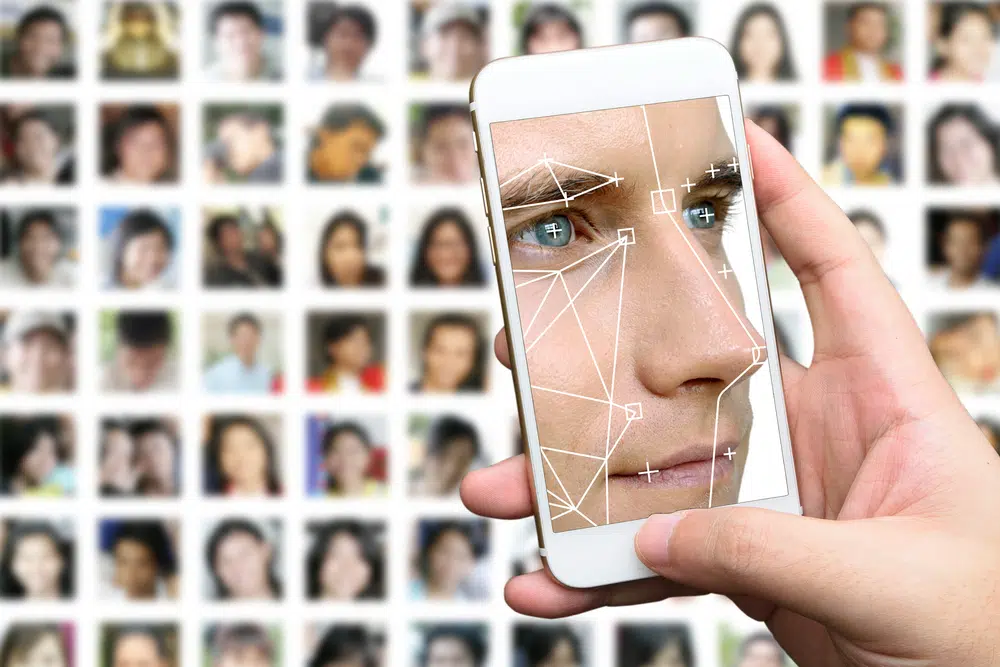
You might just be asking what exactly even is deepfake? Well, deepfake is the technique of superimposing existing images and videos using machine learning. You could be hearing about it more recently since the actual term was coined in 2017 but deepfake has been commonly used by the film industry for many years. The 1994 Academy Award-winning film Forrest Gump relied on expert video editing to insert actor Tom Hanks into actual footage reels of famous historical events. From meeting different U.S. presidents to standing next to Martin Luther King, Jr. during a well-known speech, the fabrication was both entertaining and poignant. However, was it scary? Perhaps. Could we ever again trust what we saw with our own eyes? A new potential threat called “deepfakes” might answer that question. The concept of a deepfake, a combination of the words “deep learning” and “fake,” is a real person’s face and voice, but they have been altered to speak someone else’s words in a recorded video. That video could then be widely shared, and unsuspecting viewers might not know the difference. Some of the most widely viewed deepfakes involved celebrities who appeared to be starring in adult videos, except they had never actually filmed in those situations. The infamous deepfake video of former President Barack Obama portrays him using profanity while appearing to look directly into a camera for an interview, something he never recorded. While those celebrity sex tapes and the Obama video got a lot of attention, the bigger concern is what happens when it is not a famous person and not obvious the video is fake? What happens when it is an executive within your company sending a video message over a messaging platform, telling you to change account numbers or passwords? What if it was your grandchild claiming to be kidnapped and needing ransom money right away? What if it was your face and voice, agreeing to have your account numbers changed or authorizing someone else to use your account? When identity theft first began to be recognized as increasingly widespread crime, victims discovered that law enforcement agencies’ hands were tied. There were no laws enacted to protect victims. As laws changed around the country to respond to ID theft, more consumer protections were put in place. Deepfake can be a crime depending on how it is used. Making an altered image of someone engaged in an embarrassing situation is becoming a crime in certain places under “revenge porn” laws. If the deepfake is used for things that are already a crime, such as stealing money from the victim’s bank account or workplace, then it could be covered under existing theft laws. If someone merely posts a video of your image and voice saying things you do not agree with, it might not fall under existing identity theft laws. Fortunately, the chances that video editors with this kind of skillset will target individual citizens just for entertainment is small. What you have to be concerned with is its believability. As the old adage says, you cannot believe everything you read on the internet. Now that goes for what you see and hear as well. Make sure you are using caution and discernment before sharing content or making significant decisions based on video evidence because it could be a deepfake. Contact the Identity Theft Resource Center for toll-free, no-cost assistance at 888.400.5530. For on-the-go assistance, check out the free ID Theft Help App from ITRC.


You might also like… How To Spot a Fake Website Things to Consider When Using VPN New Tool Helps Consumers Make Sense of Data Breaches

How much information are you putting out there? It’s probably too much. To help you stop sharing Too Much Information, sign up for the In the Loop.

Get ID Theft News

Stay informed with alerts and newsletters from the Identity Theft Resource Center.

Global 100 2026 awards logo
ITRC 2026 Merit Award Winner
candid seal platinum 2026
Charity Navigator Badge Logo
Facebook-f X-twitter Youtube Linkedin-in Instagram
  • Support Our Mission
  • Our Mission
  • Contact
  • Media Resources
  • Cy Pres Awards
  • FAQ
  • Support Our Mission
  • Our Mission
  • Contact
  • Media Resources
  • Cy Pres Awards
  • FAQ
  • Privacy Policy
  • Live Chat Policy
  • Accessibility
© Copyright 2026 – Identity Theft Resource Center

This website was supported in part by grant number 15POVC-21-GK-01092-NONF and 15POVC-22-GK-01803-NONF, awarded by the Office for Victims of Crime, Office of Justice Programs, U.S. Department of Justice. The opinions, findings, and conclusions or recommendations expressed in this product are those of the contributors and do not necessarily represent the official position or policies of the U.S. Department of Justice. View more about our copyright info here.

  • Victim Help Center
  • Solutions
    • Prevent Identity Theft

      Protect your identity from theft and misuse.

    • Recover My Identity

      Get direct assistance, a custom remediation plan, and resources if you’re a victim.

    • Protect My Business

      Explore our business service offerings today.

    • Breach Alert

      Get information on the latest data compromises.

    • Additional Support

      Vulnerable populations can get additional support to help protect their identity.

  • Resources
    • Insights

      Stay up-to-date on the latest news and happenings from the ITRC.

    • Newsletter

      Stay up-to-date on the latest news and happenings from the ITRC.

    • Reports

      Explore independent surveys and studies from the ITRC.

    • Podcasts

      Hear or read the latest in data security and privacy, as well as identity compromise and crime.

    • Events

      Explore upcoming events involving the ITRC.

    • Newsroom

      Check out the ITRC’s hub for journalists and policy makers.

  • About the ITRC
  • Contact


  • Call Now 888.400.5530