

Key Takeaways
- Older adults are not targeted more than younger individuals, but tend to lose more money due to accumulated resources.
- Artificial intelligence (AI) allows scammers to target victims more effectively using stolen data from breaches.
- AI enhances the quality of scams, making them more convincing and harder to detect.
- Scammers can now create professional-looking communications that mimic legitimate companies.
- Common scams reported to the Identity Theft Resource Center (ITRC) include phony invoices (often from antivirus software companies) and fraudulent charge scams (typically from tech companies like Apple).
- If you are a victim of an AI scam, the ITRC can help you recover and protect your identity.
Artificial intelligence (AI) is transforming many aspects of our lives, making processes more efficient and convenient. Unfortunately, it also provides new tools for criminals. In particular, older adults are increasingly finding themselves targeted by sophisticated scams that are powered by AI. While older adults are not targeted more often than younger people, they tend to lose more money to scams. This is largely because older adults have often accumulated more financial resources over their lifetimes.
In this guide, we will explain how AI is enabling a new wave of scams, why older adults are particularly vulnerable and what steps can be taken to protect yourself. If you find yourself the victim of an AI scam, the Identity Theft Resource Center (ITRC) can help guide you through the recovery process.
What Makes AI Scams Different from Traditional Scams?
Traditionally, scammers would rely on generic tactics like phishing emails filled with bad grammar or fake websites designed to look like legitimate companies. These scams were easy to identify if you paid close attention. However, AI has changed the game.
AI allows scammers to make their pitches much more effective. They can use sophisticated algorithms to learn more about you and target you in ways that are more personalized than ever before. Many older adults are being caught by scams that look and feel much more legitimate than ever before.
How Do AI Scams Use Data Stolen from Data Breaches?
AI technology relies on data—lots of it. One of the most significant sources of data for criminals is the information exposed in data breaches. These breaches, which can happen to any company, often include sensitive personal details such as names, addresses, phone numbers and even financial information.
AI allows criminals to use this stolen data to craft more targeted and personalized scams. For example, AI can analyze patterns in your online activity or previous purchases and use that information to make an unsolicited offer seem more legitimate. If your data was part of a breach, you may find yourself targeted by an AI-powered scam that seems specifically designed for you.
Because AI can process vast amounts of data at high speed, it enables scammers to cast a wider net with greater precision, making the scam feel more relevant to the victim. They no longer need to rely on a generic pitch that might appeal to only a few people. AI lets them tailor their tactics to ensure they’re hitting the right people with the right messages.
How AI Improves the Quality and Look of Scams
Before AI, phishing emails or fraudulent websites were often easy to spot. They would feature awkward language, broken links and unprofessional design. However, with AI-powered tools, criminals can now produce pitches that look almost identical to legitimate communications. Here’s how AI helps improve the quality of scams:
Better Content
AI-driven programs can generate text that sounds natural and professional. The text used in AI-powered scams is often polished, making it harder for victims to notice anything suspicious.
Professional Design
AI can also mimic the layout and design of legitimate company emails, websites and ads. Scammers can copy the header, footer and logo of a trustworthy company, and AI can generate realistic-looking content in the middle, leading the victim to click a link that will take them to a malicious site.
Personalization
AI allows scammers to personalize their messages. For instance, they might address you by name, mention a specific product you’ve purchased, or refer to a recent event that you were involved in. These personal touches make the scam feel much more authentic, and they can make it harder for you to detect that something’s wrong.
Example of an AI-Enhanced Scam
Imagine you receive an email that looks exactly like an official message from your bank or antivirus software company. The email might say that your subscription is about to expire and that you need to update your payment information. It could look like it’s from a familiar name and include your first and last name.
The link in the email might take you to a website that looks identical to your bank’s site, with all the usual branding and layout. Once you enter your payment information, however, it’s sent directly to the scammer, not to your bank.
This is the kind of scam AI can make more effective. Scammers use AI to not only improve the design of these emails and websites but also to make them more convincing by including information they’ve learned about you through data breaches.
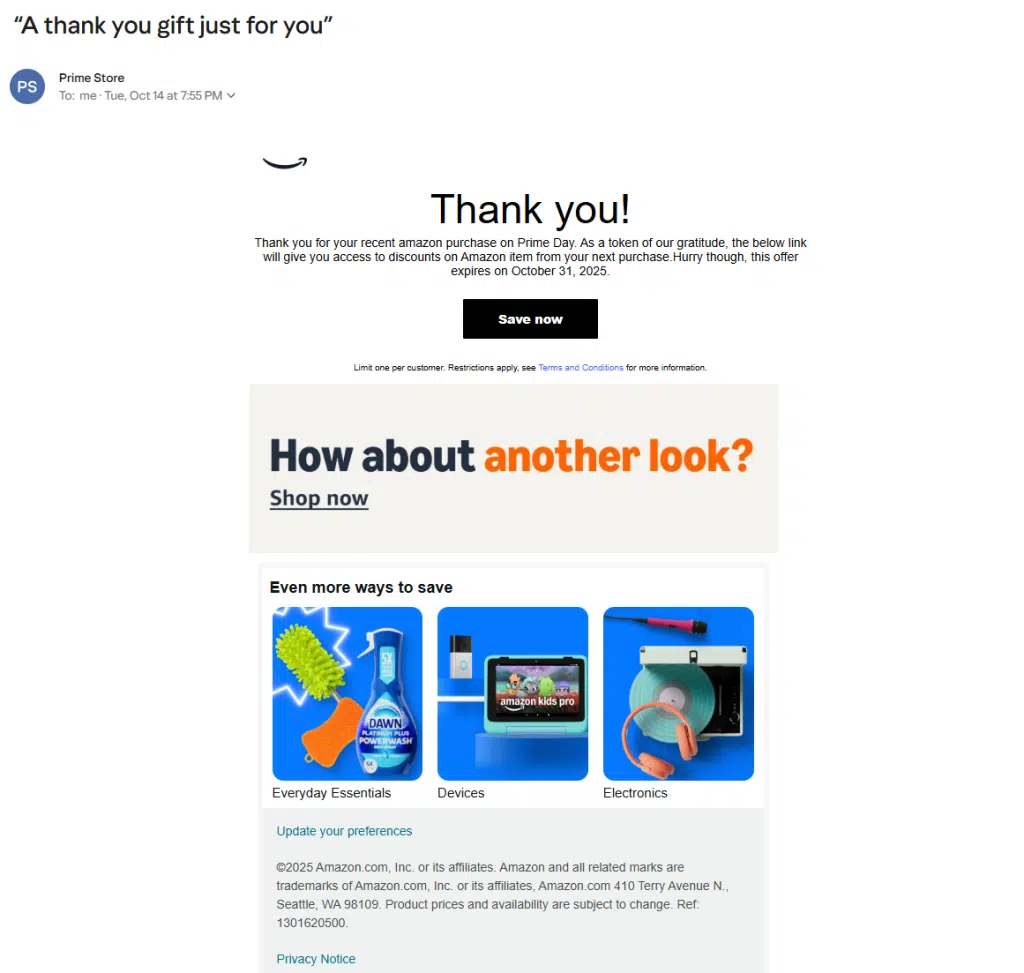
Common AI Scams Targeting Older Adults
The ITRC has found that older adults are most often affected by two types of AI-powered scams: phony invoice scams and fraudulent charge scams. Here’s a closer look at each:
Phony Invoice Scams
Phony invoice scams are some of the most common scams targeting older adults. These typically involve emails or phone calls claiming that you owe money for a service, such as antivirus software or a subscription renewal. These invoices are often from fake companies that look legitimate. They may include professional branding, including logos, addresses and customer service numbers, but these are all part of the scam.
In many cases, the scammers use AI to personalize the invoice, making it appear as though you’ve subscribed to a service that you don’t remember signing up for. The email may contain urgent language, such as “pay now to avoid cancellation,” or “this is your final notice,” creating a sense of panic and encouraging you to act quickly.
Older adults are particularly vulnerable to these scams because they may not be as familiar with digital transactions or might worry about missing out on essential services like antivirus protection. These scams can lead to significant financial losses if victims don’t recognize them as fraudulent.
Fraudulent Charge Scams
Another common scam involves fraudulent charges, often from tech companies like Apple. In these scams, older adults may receive an email, phone call or text message claiming that a large charge has been made to their account for a service or product they didn’t purchase. The message might include a link that directs them to a fake website where they are asked to enter their personal or financial information to “dispute the charge.”
AI plays a crucial role in these scams by generating a convincing narrative and making the message seem legitimate. It may even include details like your purchase history or the name of an authorized device on your account, which is possible because of the data available from breaches.
How to Protect Yourself from AI Scams
Now that you know how AI is being used to improve scams, it’s essential to take steps to protect yourself. Here are some practical tips to keep in mind:
- Be Skeptical of Unsolicited Offers: If you receive an unexpected email or phone call from a company asking for payment or personal information, be cautious. Always verify the message through official channels.
- Use Strong Passwords and MFA: Keep your accounts secure by using passkeys, or strong passwords with multifactor authentication (an extra layer of security in case a scammer gains access to your login credentials) whenever possible.
- Don’t Click on Suspicious Links: Avoid clicking on links in unsolicited emails or messages. Instead, go directly to the website by typing the URL into your browser.
- Report Scams to the ITRC: If you’ve fallen victim to a scam, contact the ITRC. They can help guide you through the recovery process and provide resources to protect yourself moving forward.
- Stay Educated: Learn about the latest scams and how to recognize them. The more you know, the better you can protect yourself.
What to Do If You’re a Victim of an AI Scam
If you suspect that you’ve fallen victim to an AI scam, don’t panic. Contact your bank or the company involved immediately. They may be able to reverse fraudulent charges or help you secure your account. Additionally, the ITRC’s team of experts can help you recover your identity and minimize the impact of the scam.
AI is revolutionizing the way criminals conduct scams, but by staying informed and vigilant, you can protect yourself from falling victim to these advanced tactics. Remember, if you find yourself targeted by an AI scam, the ITRC is here to help you recover and protect your identity.